



Ancient Twin Body Bottle Ceramic Container
It is a container with a dual body structure, usually having a bridge shaped handle and a straight neck. The front part is sculptural, while the back part is a side pressed spherical shape decorated with goose skin texture and a personified figure wearing a hat, earmuffs, collar, and anku (an ancient Egyptian scepter). The sculpture depicts a female figure sitting on her lap, breastfeeding a baby sitting on her left knee. This woman has long hair and neck decorations.

Ming and Qing blue and white plum vase
Meiping is a traditional famous porcelain. Meiping is a type of bottle with a small mouth, short neck, ample shoulders, thin bottom, and round feet. It is named after its small mouth that allows only plum branches to be inserted. Due to its slender body, it was called the "Jingping" during the Song Dynasty. It was used as a vessel for holding wine and had a sleek and beautiful shape. After the Ming Dynasty, it was called the "Meiping".

Cloisonn é teapot from the late Qing Dynasty
This teapot is a cloisonn é craft from the late Qing Dynasty in the 19th century, currently housed in the Bleschunov Municipal Personal Collection Museum in Odessa, Ukraine. Cloisonn é, officially known as "Copper Cloisonn é Enamel" and commonly referred to as "Enamel Cloisonn é", is one of China's famous special metal crafts. During the Ming Dynasty's Jingtai period, this craftsmanship reached its peak, producing the most exquisite and famous crafts. Therefore, later generations referred to this type of metal artifact as "Cloisonn é".

During the Northern Song Dynasty, Ru Kiln Tianqing Glazed Bowl
Ru porcelain, originated in the mid Tang Dynasty and gained great fame in the Northern Song Dynasty, ranking first among the "Five Famous Ceramics" of the Song Dynasty. It was named after its production in Ruzhou City and has formed a prosperous scene of "a hundred miles of scenery on both sides of the Ru River, with continuous fire everywhere". It occupies a significant position in the history of Chinese ceramics. Ru porcelain's sky blue glazed porcelain contains agate in the glaze, with a green and vibrant color. The glaze is rich and shiny, like a pile of grease, and looks like jade. The sound of clasping is like a fragrance, and the texture is very good. There is a saying that "it looks like jade, not jade, but better than jade". The color is elegant and natural, and it is known as "the rain falls on the sky and the clouds break through".

Qing Dynasty Ge glazed colorful character bottle
Ge Kiln is one of the five famous kilns of the Song Dynasty. The characteristics of Ge kiln porcelain are glazed inside and outside, uniform and smooth, crystal clear and moist. Not only does it have a clear porcelain sound, but it also has a tall and elegant shape with soft and smooth contours.

Cloisonne
Cloisonn é, one of the famous special metal crafts in China, reached its peak in production during the Jingtai period of the Ming Dynasty, producing the most exquisite and famous crafts. Therefore, later generations referred to this metal artifact as "Cloisonn é". Cloisonn é, officially known as "Copper Cloisonn é Enamel" or "Enamel Cloisonn é", is a type of utensil made of soft flat copper wire that is cut into various patterns and welded onto a copper mold. The enamel is then filled into the patterns and fired. Due to its popularity during the Jingtai period of the Ming Dynasty and mature production techniques, the enamel glaze used was mostly blue, hence the name "Jingtai Blue".

During the Qing Dynasty, Kangxi's Five Colored Tiangong created the "Silkworm friendly" Tianqiu Bottle
The shape of the Tianqiu bottle is small mouth, straight neck, ample shoulder, false ring foot, and slightly concave sand bottom. Because the belly of the round ball is huge, as if descending from the sky, it is named

Ceramic rooster, produced in ancient Chinese Tongguan kiln
Tongguan Kiln is one of the five famous kilns in ancient China, located in Tongguan Street, Wangcheng District, Changsha, Hunan Province. Due to its unique porcelain painting skills, it opened up a new era in the history of ceramics and became an important pivot on the "Maritime Ceramic Road" of the Tang Dynasty. During its peak, its products were exported to 29 countries and regions. This ceramic is currently collected at the Changsha Tongguan Kiln Ceramic Research Institute.

Qing Dynasty Qianlong Blue and White Pink Baby Play Lucky Celebration More than Eight Square Vases
The Qing Dynasty Qianlong Blue and White Pink Baby Play Lucky Celebration Eight Square Vase was sold for HKD 55 million at Sotheby's 2015 Spring Auction "Chinese Art Treasures" in Hong Kong on April 7, 2015, with a transaction price of HKD 63.48 million.

Ming Dynasty Xuande Glazed Red Wheel Flower Embracing Moon Vase
Baoyue Bottle is a type of porcelain from the Qing Dynasty, also known as the "Baoyue Bottle". Its characteristics are small mouth, straight neck, and two ears on the neck side. It is named after the round moon like belly of the bottle. The Jingdezhen kiln during the Yongle and Xuande periods of the Ming Dynasty was the main production site for holding moon vases.

Popular Models
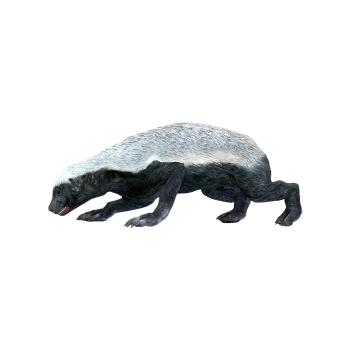
Honey Badger (3D animated model)
194 View
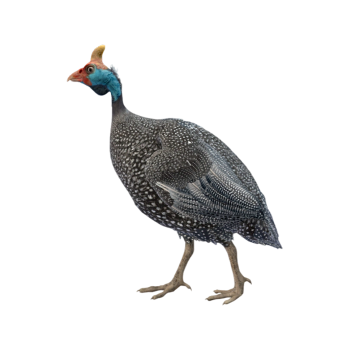
Guinea fowl (3D animated model)
165 View
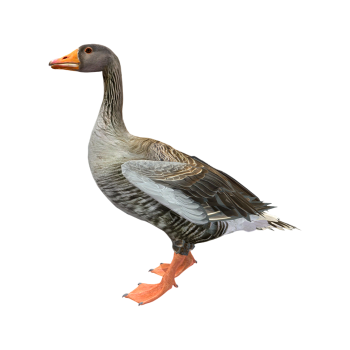
Wild Goose (3D animated model)
187 View
Red Fox (3D animated model)
155 View
Random Model
Rhinoceros (3D animated model)
116 View

Evergreen tree
175 View




Mother Dragon (3D animated model)
125 View

Black Bear (3D animated model)
147 View
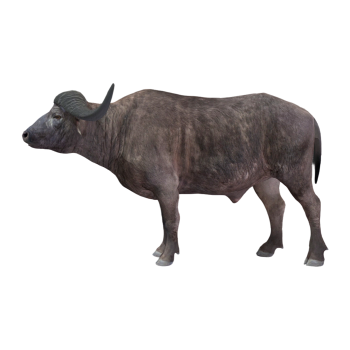
Buffalo (3D animated model)
183 View